
Fear and Safety in Horses: A Science-Based Perspective on Why Horses React — and How to Create True Safety
Safety is not common sense — it is understanding
In horsemanship, safety is often described as “common sense.”
But if that were true, accidents would be rare.
In reality, safety in horse–human interactions depends on something far deeper: understanding how fear operates in both the horse and the human nervous system.
At Equitopia, we approach safety not as control—but as a shared biological and emotional process.
What fear really is (in both horse and human)
Fear is not a flaw. It is a survival system.
In horses, fear activates the flight response—a whole-body reaction designed to escape perceived danger.
This response is:
- Fast
- Automatic
- Not governed by reasoning
Once triggered, the horse is no longer learning—he/she is surviving.
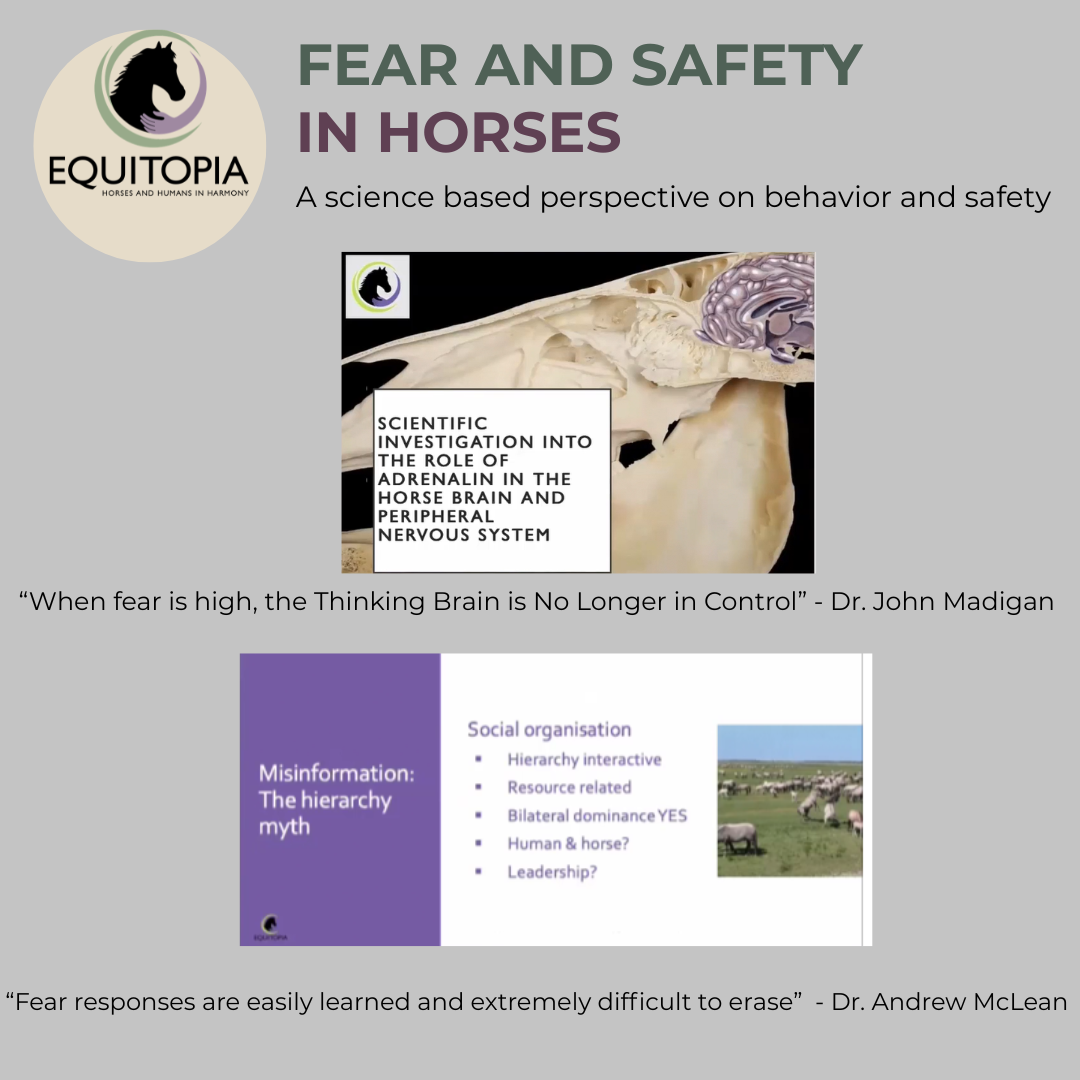
Dr. John Madigan’s work in equine neurobiology shows that when a horse becomes highly aroused, the thinking parts of the brain become unavailable, and behavior is driven by instinct rather than cognition.
👉 This is the critical shift: A reacting horse is not choosing behavior. He/She is expressing a neurobiological state.
The Equitopia Principle: Fear disrupts learning and safety
Across disciplines, one truth is consistent:
A horse cannot learn effectively when he/she is afraid.
Fear:
- Reduces attention and processing
- Narrows perception to threat
- Overrides trained responses
This is why pushing a horse “through” fear often leads to:
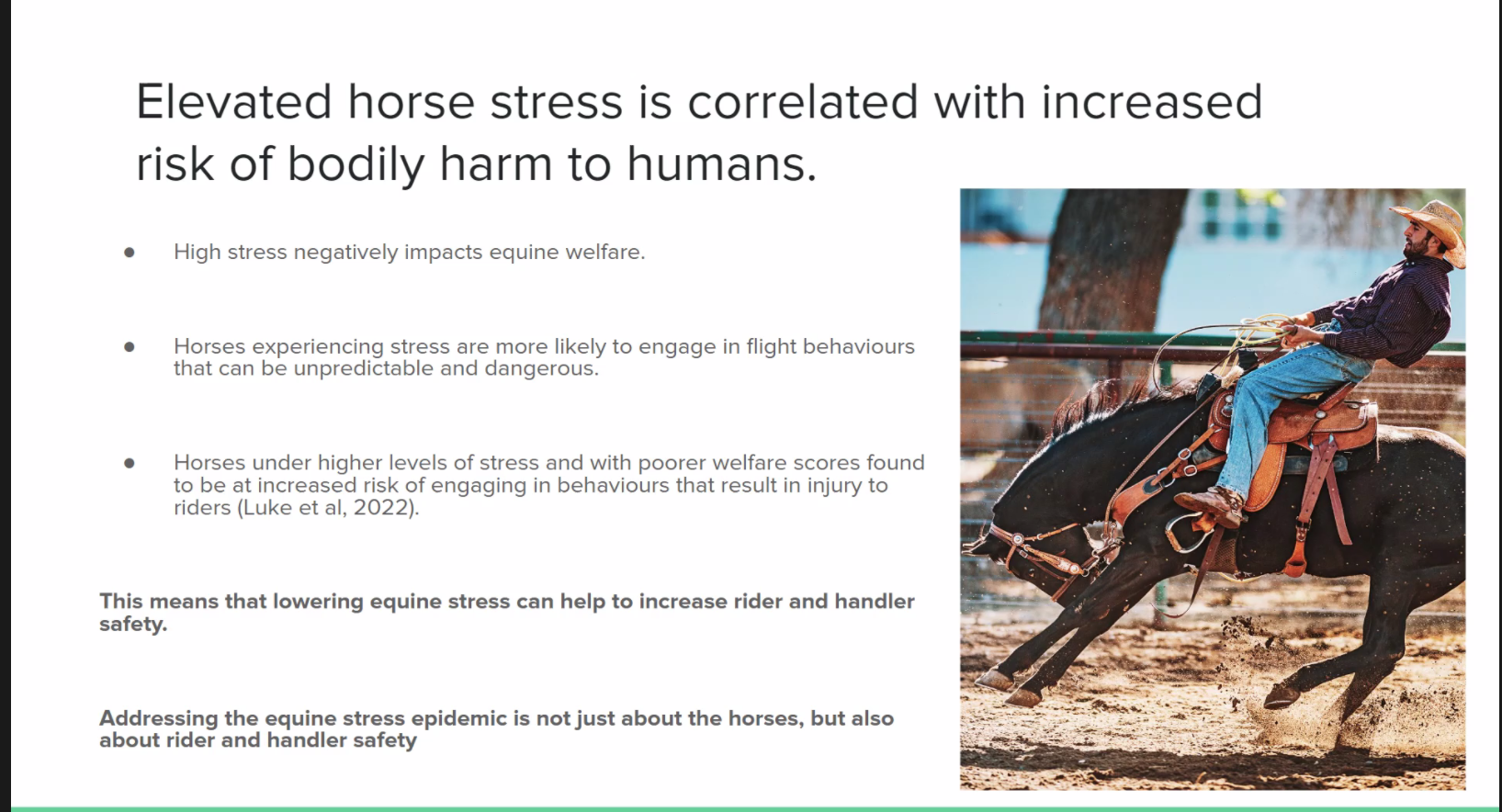
- Escalation (spooking, bolting, bucking)
- Confusion
- Long-term sensitization
Instead of creating safety, it often creates future risk.

Dr. Andrew McLean: Fear is learned quickly—and remembered deeply
From an equitation science perspective:
- Fear responses are rapidly acquired
- They are strongly retained over time
- They are difficult to erase, only managed
This has profound implications:
Every overwhelming experience a horse has:
- Becomes part of his/her behavioral memory
- Lowers his/her future threshold for reactivity
👉 Training, therefore, is not just teaching behavior. It is shaping the horse’s emotional history.
Why safety breaks down (even with experienced riders)
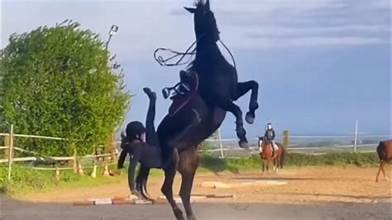
Most accidents are not caused by “bad horses.”
They arise from:
- Misreading early signs of fear
- Training above the horse’s cognitive threshold
- Human tension or anticipation
- Overexposure without recovery
Human error is a major contributor to equestrian accidents, reinforcing the need for deeper awareness—not just skill.
The moment before the reaction: where safety is won or lost
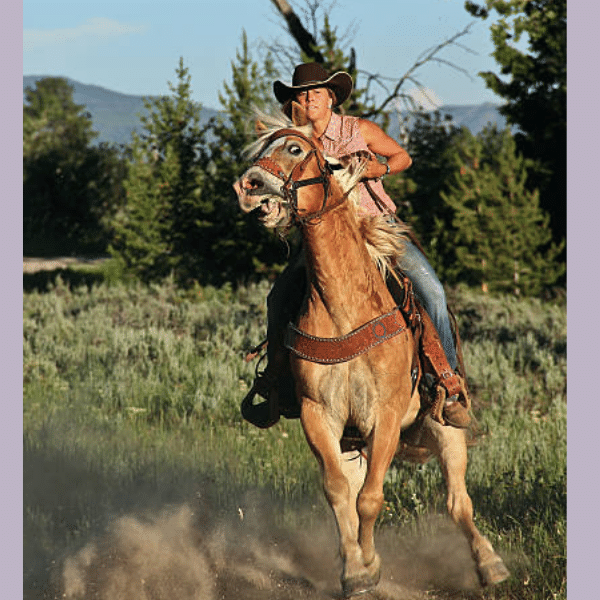
Horses rarely go from calm to explosive without warning.
Early indicators include:
- Subtle tension in the body
- Changes in breathing
- Fixation on a stimulus
- Loss of rhythm or softness
This is the window of intervention.
Dr. McLean’s work emphasizes recognizing and responding to these early signs before the full flight response develops—because once it does, control is largely lost.
The Equitopia Safety Framework™
Safety emerges when three systems are aligned:
1. The Horse’s Nervous System
- Feels safe enough to remain responsive
- Is not pushed beyond threshold
2. The Human Nervous System
- Regulated, aware, and non-reactive
- Not amplifying fear through tension or urgency
3. The Training Environment
- Structured for clarity, not overwhelm
- Progresses within the horse’s capacity to cope
👉 When one breaks down, safety is compromised.
👉 When all three align, safety becomes sustainable.
What actually creates a horse that is “safe”
Safety is not obedience. It is predictability under pressure.
This comes from:
Clear, consistent training (Equitation Science)
Training aligned with how horses learn:
- Timely release of pressure
- Clear, singular signals
- Avoidance of punishment and flooding
Emotional regulation (Neurobiology)
Supporting the horse’s ability to:
- Process stimuli
- Recover from stress
- Stay within a functional arousal level
Gradual exposure, not overwhelm
- Introducing novelty in manageable increments
- Allowing investigation and retreat
- Building confidence through success
What does NOT create safety
- Forcing exposure (“they’ll get over it”)
- Punishing fear responses
- Ignoring early warning signs
- Training in a state of chronic stress
These approaches may suppress behavior temporarily—but increase long-term risk.
A shift in perspective
A horse is not responsible for your safety. But your understanding of the horse determines it.
True safety is not created through dominance or control. It is created through:
- Knowledge
- Awareness
- Timing
- Emotional regulation
Key takeaway
Fear is not the problem. Unrecognized and unmanaged fear is.
When we understand:
- How fear works in the horse
- How fear works in ourselves
- And how training interacts with both
…we move from reacting to risk to creating environments where safety naturally emerges.
About this approach
This perspective integrates:
- Equine neurobiology (Dr. John Madigan)
- Equitation science and learning theory (Dr. Andrew McLean)
- Human emotional regulation and cognition
As taught in Equitopia’s Fear and Safety for Horse and Rider course—designed to help riders understand, rather than override, the systems that drive behavior.
