ECVM in Horses: Early Signs & Free Expert Webinar
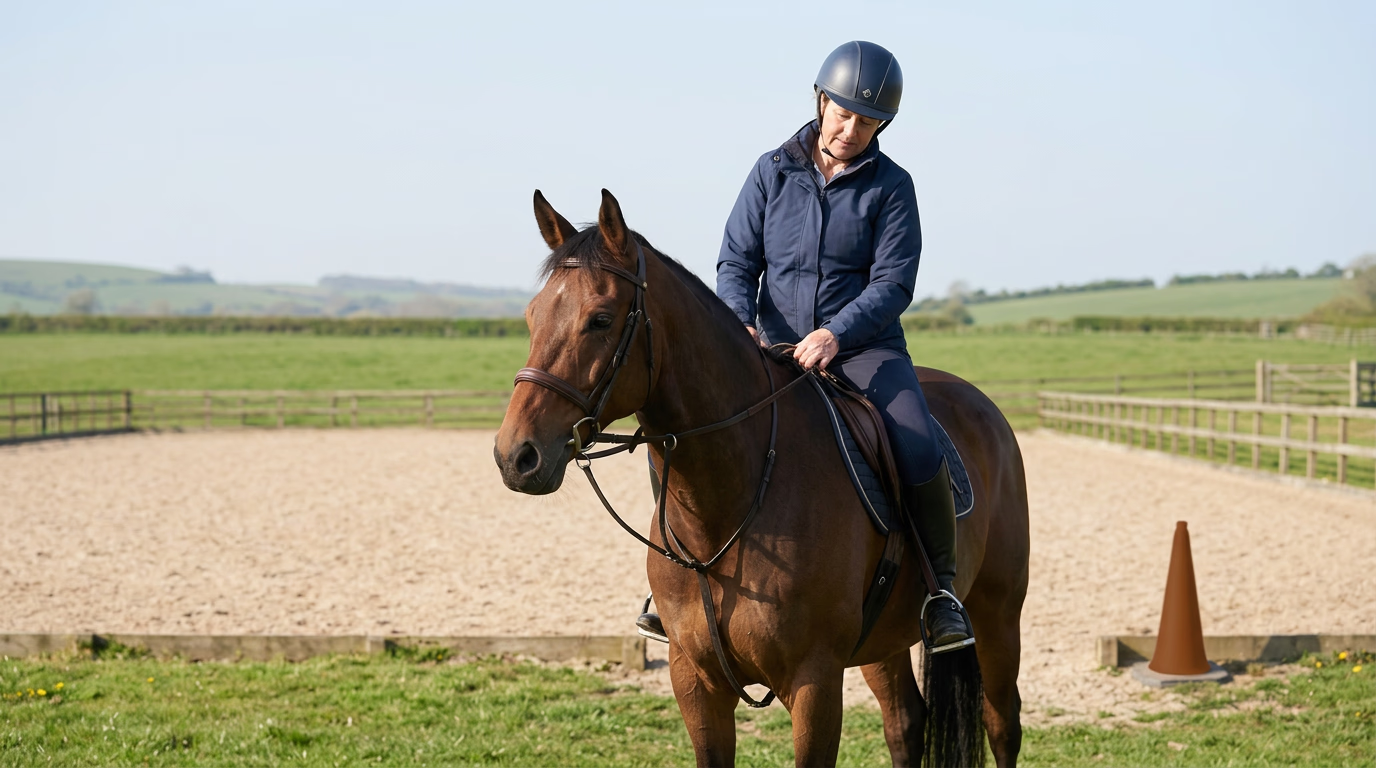
You’ve likely seen it before. Your horse feels slightly off — not quite lame, but not moving freely either. Perhaps there’s resistance in one direction, a reluctance to bend, or behavior that feels out of character. Despite consistent, correct training, something doesn’t improve. These situations are often approached as training problems. But what if they’re not?
At Equitopia Center, we see this pattern repeatedly. Behavior and performance problems are often expressions of discomfort, not disobedience. In some cases, that discomfort may be linked to a structural condition known as Equine Complex Vertebral Malformation (ECVM).
What is ECVM in horses?
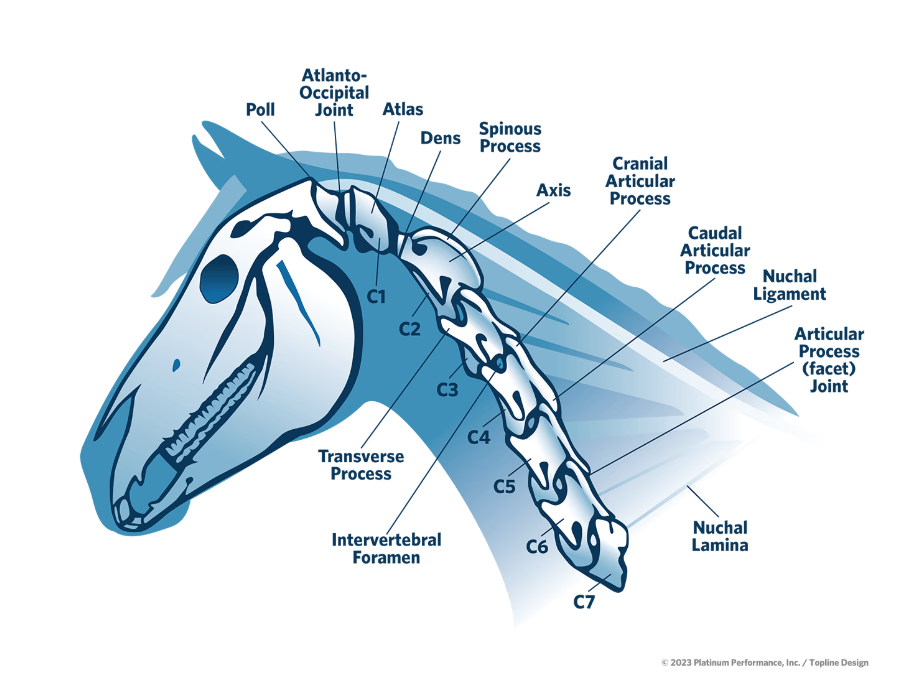
ECVM (Equine Complex Vertebral Malformation) is a developmental condition affecting the lower cervical vertebrae — most commonly C6 and C7.
Research has identified structural differences in this region that can influence how forces move through the horse’s body. This matters because the neck plays a central role in:
- Balance
- Coordination
- Movement patterns
- Communication between horse and rider
An ECVM horse may appear normal externally, but the underlying structure can affect function. At Equitopia, we emphasise a whole horse approach — recognising that structure, movement and behaviour are deeply connected.
Symptoms of ECVM in horses
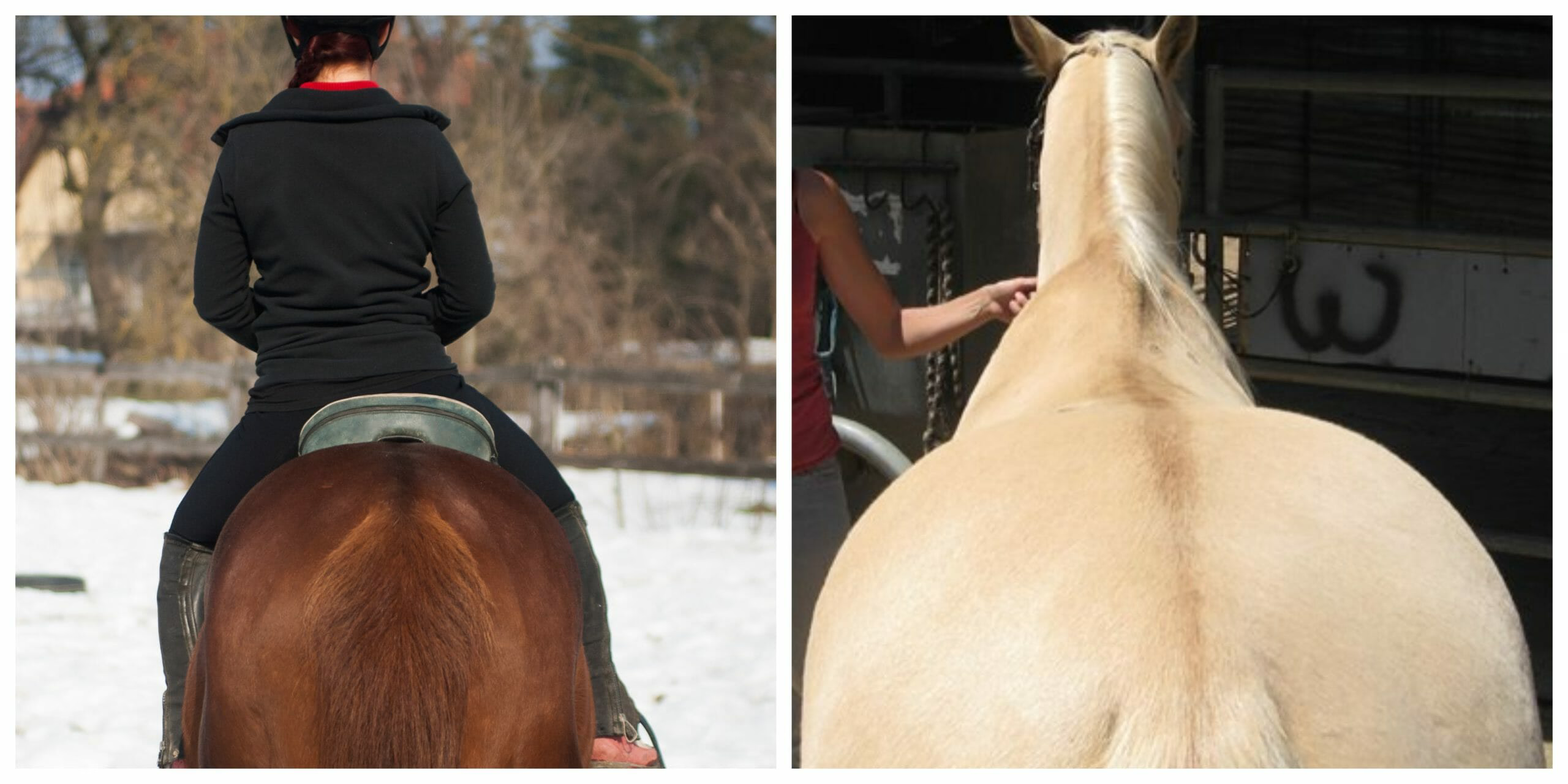
Because ECVM affects biomechanics, symptoms are often mistaken for training issues. Common ECVM symptoms in horses include:
- Difficulty bending evenly
- Resistance to contact
- Neck stiffness
- Poor topline despite correct work
- Inconsistent performance
- Behavioural changes (tension, reactivity, reluctance)
These symptoms of ECVM in horses rarely appear in isolation — they form patterns.
These signs do not confirm ECVM, but they indicate the need for further investigation.
Learn from leading experts
Education is key to recognising what’s really happening.
Dr. Martina Neidhart, a veterinarian specialising in equine rehabilitation, shares the latest ECVM research, clinical signs, and management strategies in this in-depth session. The anatomy of the lower cervical area and the rib cage of the horse.
Recognize what is normal and how ECVM changes horses’ bony and soft tissue anatomy and biomechanics
Early signs of ECVM most owners miss
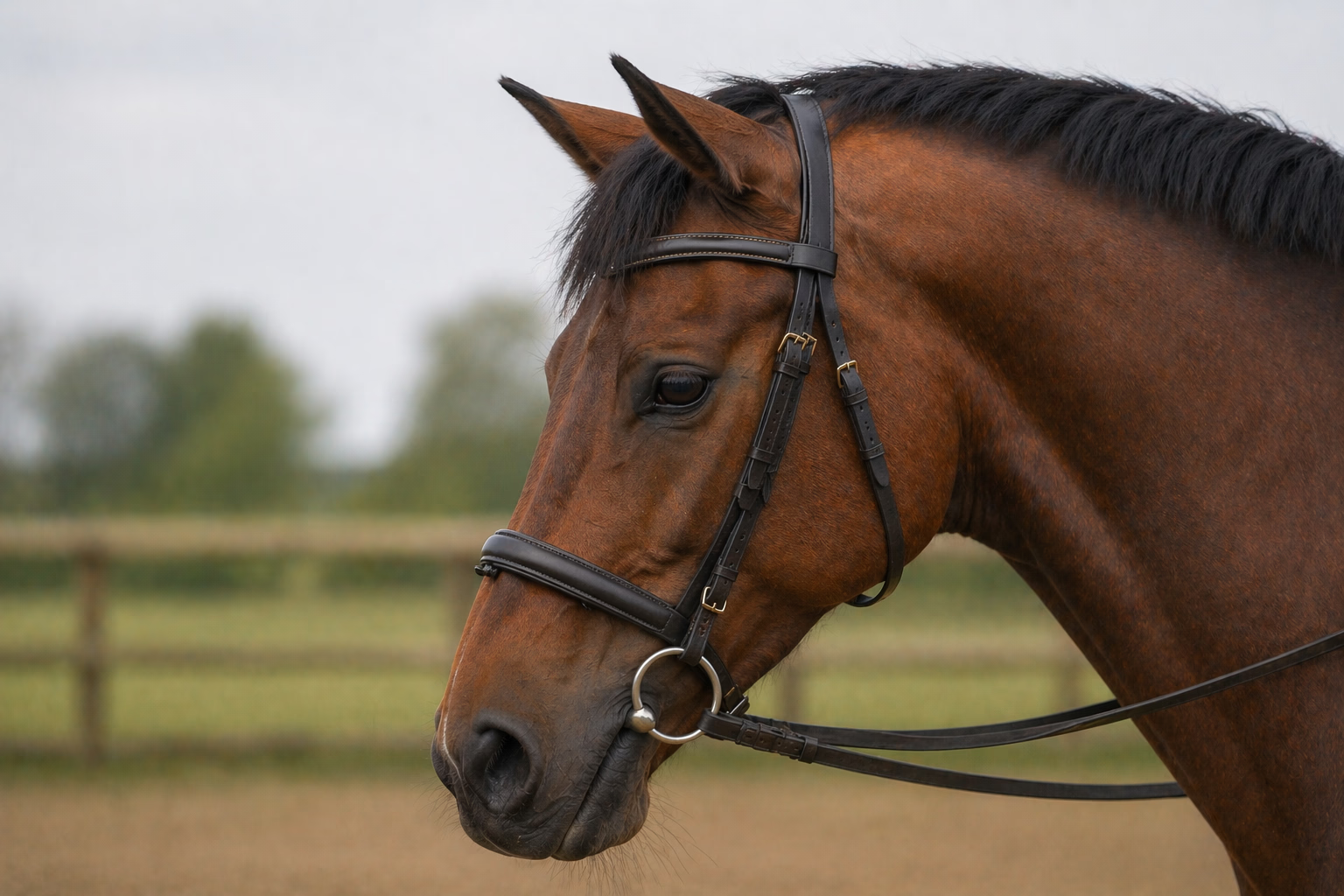
Early indicators are often subtle:
- Mild asymmetry
- Slight resistance
- Changes in softness or rhythm
- Small behavioral shifts
These are easy to overlook — especially when progress seems inconsistent rather than clearly deteriorating. At Equitopia, we teach riders to recognise these early signals before they develop into more significant issues.
Why ECVM affects performance and behavior
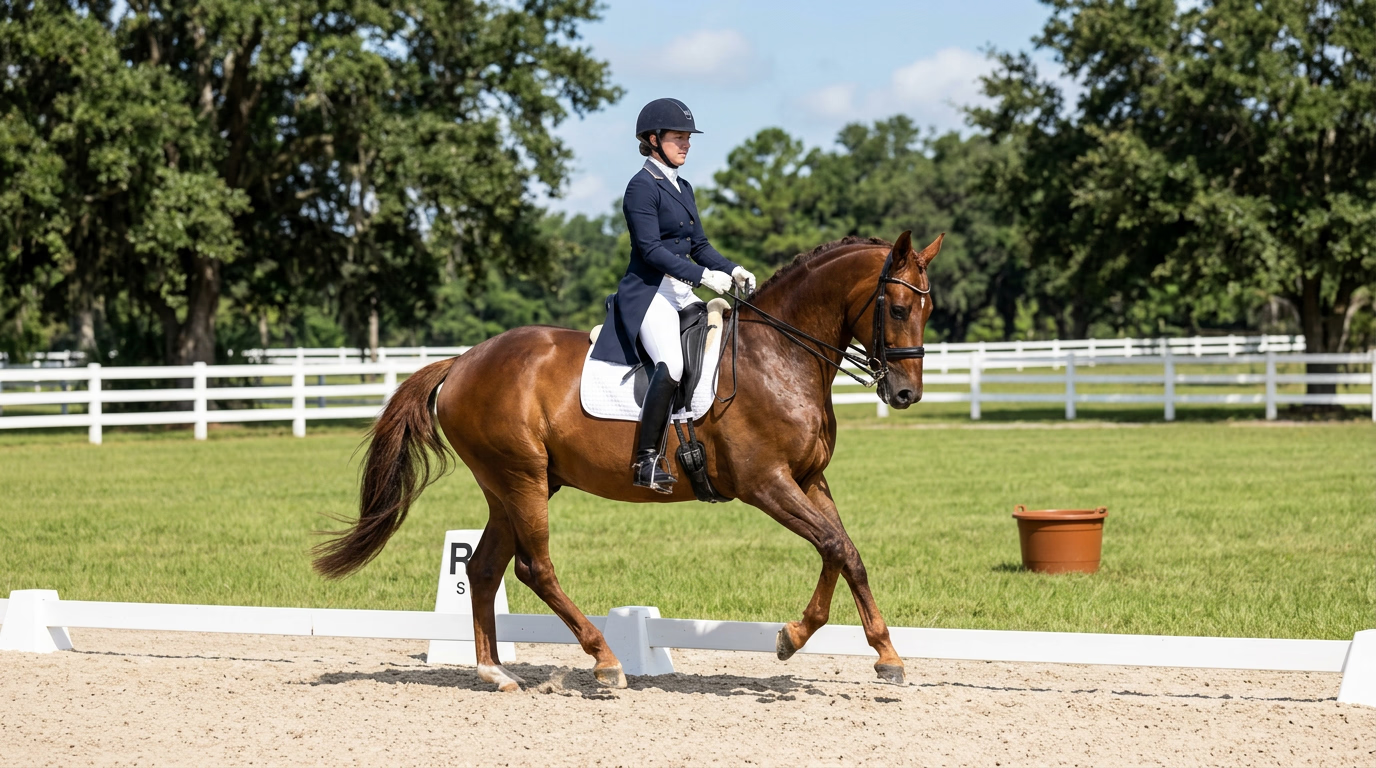
The cervical spine influences the entire body. When structural variation is present, horses with ECVM may:
- Compensate through movement
- Redistribute weight inefficiently
- Develop muscular tension
- Struggle with coordination and balance
Over time, this can lead to:
- Performance limitations
- Behavioural resistance
- Recurring unresolved issues
What appears to be a training issue may actually be a physical limitation.
What causes ECVM?
ECVM is a developmental condition. Current understanding suggests:
- Genetic influence may play a role
- It develops during skeletal formation
Important clarification:
- ECVM is not caused by training
- Training simply reveals the limitation
Treatment for ECVM in horses (management & support options)?
There is no cure for ECVM. However, many horses can be successfully supported when the condition is understood. Treatment for ECVM in horses focuses on management:
- Physiotherapy and rehabilitation work
- Correct saddle fitting
- Reducing mechanical strain
- Adjusting workload and expectations
- Addressing compensation patterns
The goal is not to “fix” the horse — but to support function within its physical capacity.
What to do if you suspect your horse has ECVM?
- Observe patterns, not isolated issues
- Recognize behavior as communication
- Seek evidence-based guidance
Early awareness leads to better outcomes.
Frequently Asked Questions About ECVM in Horses
What is ECVM in horses?
A developmental condition affecting the lower cervical vertebrae that can impact movement and performance.
What are the symptoms of ECVM in horses?
Common signs include stiffness, resistance, asymmetry, poor performance and behavioural changes.
Can ECVM be treated?
There is no cure, but horses can be managed successfully with correct support and training adjustments.
How is ECVM diagnosed?
Typically through veterinary assessment and imaging such as X-rays.
Can horses with ECVM be ridden?
In many cases yes, but work must be adapted to the horse’s physical limitations.
Final thought
One of the biggest shifts in modern horsemanship is this:
- Moving from “fixing behavior”
- to understanding the horse
That shift is at the core of everything we teach at Equitopia.